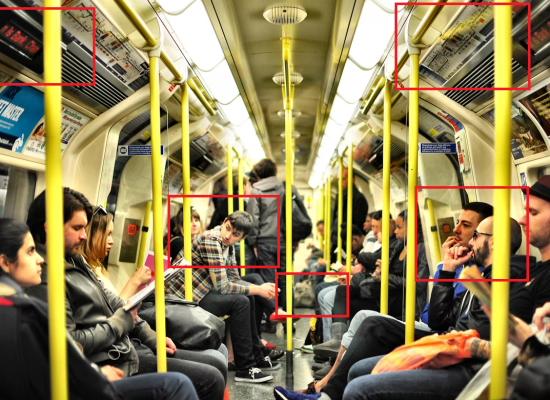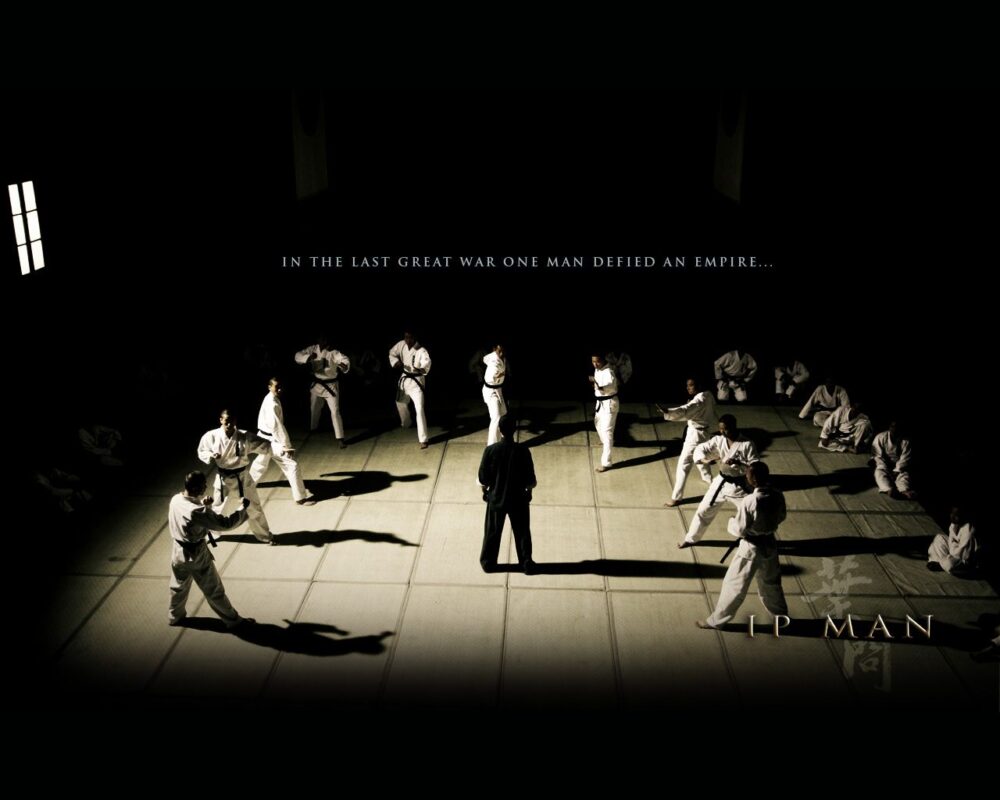
Last night in the adult class, we practiced sparring with one person taking on multiple attackers. We’ve talked about it before, but decided to finally put the concepts into practice in a semi-controlled environment and see what we could learn.
It was a great exercise and we each learned a lot.
Facing more than one attacker is one of the most dangerous situations in self-defense. Even skilled martial artists can be overwhelmed by speed, angles, and the chaos that it turns into. While movies glamorize “taking on a crowd,” in real life, the scenario is unforgiving. Survival – not victory – is the goal.
Here are some of the things to know about what to consider and plan for if you ever find yourself outnumbered in a fight.
⸻
- Avoidance and Awareness Come First
The best strategy against multiple attackers is to never be surrounded in the first place.
Situational Awareness
• Scan your environment for exits, obstacles, blind corners, and movements in your periphery.
• Notice behaviors: clustering, flanking, unusual silence, repeated glancing, or aggressive posturing.
Boundary Setting
• Use assertive body language and verbal commands to create distance early.
• If something feels wrong, trust your instincts and leave before it escalates.
⸻
- Movement Is Your Lifeline
When facing multiple attackers, mobility > technique.
Keep your eyes constantly scanning in every direction, and rely heavily on peripheral vision. Know where everyone and everything is at all times. Look for potential weapons as well as areas and landscape that can be used to your advantage.
Keep Moving, Never Plant
Standing still is death. Once you stop, you allow attackers to form a circle around you.
Use Angular Footwork
• Move diagonally and pivot frequently.
• Circle toward the “outside” of an attacker. Never get caught between two attackers.
Run When You Can
Self-defense is not winning – it’s surviving.
Escape is success.
⸻
- Control the Line: Don’t Let Them Surround You

In martial arts, this is often called “stacking” or “putting attackers in a line.”
Concept: One Person Blocks the Others
By positioning yourself so one attacker is always between you and the next, you prevent being hit from all directions. Continuous repositioning is vital.
Create Micro-Angles
Even two or three steps can turn a 3-on-1 into a manageable 1-on-1.
⸻
- Hit Fast, Hard, and Escape Immediately
Against multiple opponents, you cannot afford long engagements.
Prioritize Fast Disruptions
Use:
• Palm strikes
• Elbow shots
• Low-line kicks (thighs, shins, ankles)
• Shoves and throws to create space
• Eye-level distractions
Your goal is to stun, disrupt, and move, not to “finish” an attacker.
Never Grapple
Ground fighting or complex joint locks leave you vulnerable to the other attackers.
Even a perfect take down becomes catastrophic if someone kicks your head while you’re on the ground.
⸻
- Attack the Leader or the Closest Threat
Groups often follow the most aggressive or confident individual.
Option A: Strike the closest attacker
This prevents immediate contact and buys time.
Option B: Disrupt the leader
A sudden, decisive attack on the leader can cause hesitation or morale drop in others.
Choose based on distance, behavior, and opportunity.
Who’s doing all the talking? That’s probably a good person to start with.
This is a case when you don’t save the best for last. If you take out a weaker opponent first, the better fighters will be more likely to continue to attack. But if you take out a more formidable enemy first, the weaker ones may disengage.
⸻
- Use the Environment Smartly
The environment can help – or hurt – you.
Good Positions
• Narrow corridors
• Doorways
• Between cars
• Behind tables or chairs
• Back against a wall or in a corner
These limit how many attackers can reach you simultaneously.
Bad Positions
• Open spaces where attackers can surround you
• Corners or walls that trap you (unless you know how to use it to your advantage and not theirs)
• Uneven ground where you may slip
Always move toward terrain that bottlenecks attackers.
⸻
- Weapons, Tools, and Improvised Objects
If legally and ethically justified, using objects in your environment can increase your odds:
• Backpacks as shields
• Belts
• Pipes or sticks
• Bags
• Chairs
• Pens or flashlights
Remember: your first duty is to escape, not escalate.
⸻
- Train for Chaos, Not Perfection
Multiple-attacker scenarios are fast, unpredictable, and messy.
Training Ideas
• Pad drills with two or three partners attacking at once
• Mobility and footwork drills
• Low-line kicking combinations while moving
• Escape-path and getting up from the ground quickly drills
• Situational awareness exercises
Mindset Training
You must stay calm under sudden pressure.
Breathing, visualization, and scenario repetition build this composure.
⸻
- Legal and Ethical Realities
When you’re outnumbered, the law still applies. Use only the force necessary to create a safe escape.
Striking first may be legally justified when facing multiple threats, but it depends on the context and local laws.
Know your local self-defense laws.
⸻
Final Thoughts
Fighting multiple attackers is never “fair” and almost never in your favor.
The real objective is:
Avoid → Disrupt → Escape
Train smart, stay aware, and cultivate the skills that truly matter under pressure: movement, positioning, and decisive actions.