

What Is Extension?
Extension is the deliberate lengthening of your body’s structure to project power outward. It’s not simply “reaching farther.” It is the coordinated relationship of joints, alignment, and intent that allows force to travel cleanly from the ground, through the body, and into the target.
When done well, extension feels like a natural continuation of your posture and center. When done poorly, it results in overreaching, collapsing, or losing balance.
When you can master the skill of extension you opponent will become hesitant and their confidence will wane – knowing that their judgement of the distance between you cannot be accurately estimated. It becomes a figurative weapon in your arsenal.
Extension in Empty-Hand Martial Arts
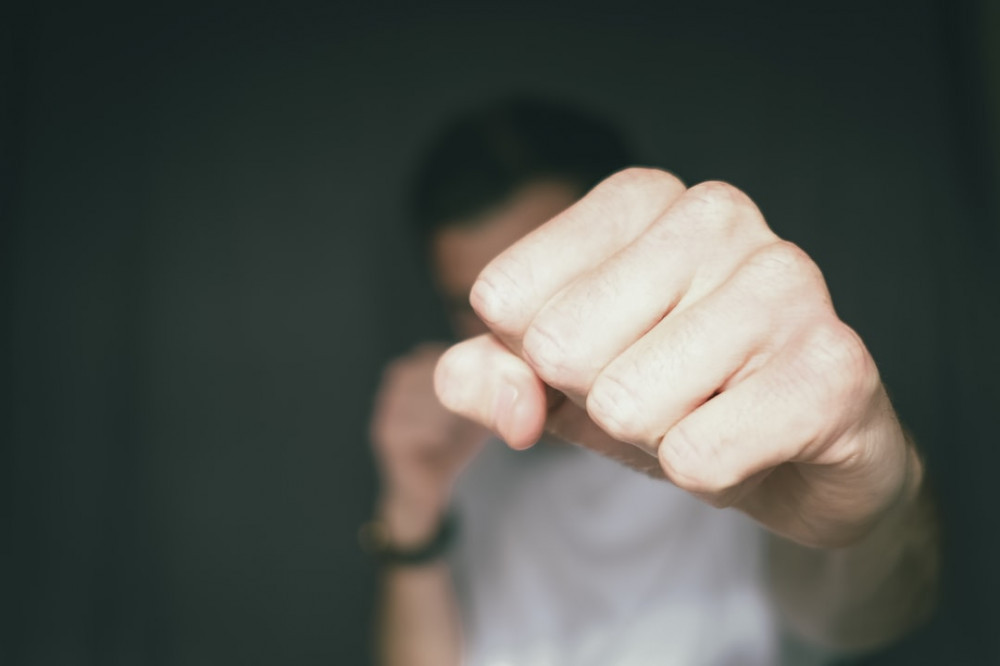
1. Structural Integrity
Empty-hand extension begins with the spine, hips, and shoulders. Proper alignment allows energy to travel through the limbs without leakage.
• In karate, a fully extended punch (tsuki) locks the wrist, aligns the knuckles with the radius bone, and channels power from the hips.
• In kung fu, a straight lead punch extends from a rooted stance, maintaining softness in the joints so force remains dynamic.
• In boxing, extension peaks at the moment of impact – never before – preserving speed and preventing counterattacks.
In all cases, extension is structural: your body must support the reach without losing control of your balance. You should always make sure you don’t extend past the point where you are fully in control of the position of your center of gravity.
2. Timing of Extension
Extension should happen at the moment of impact, not throughout the entire motion.
Beginners often “reach” with their arm first, telegraphing the strike. Advanced practitioners extend from their center, allowing the whole body to appear unified in motion.
Proper timing gives you:
• Reduced telegraphing
• Increased speed
• Late-stage power generation
• Better defensive recovery
3. Extension and Relaxation
Extension is impossible without relaxation.
Tension stops the flow of energy. Relaxed muscles allow joints to lengthen in a whip-like motion. This is why internal arts such as tai chi or baguazhang emphasize “softness” – not because they lack power, but because relaxation enables complete extension.
⸻
Extension When Using Weapons
Weapons magnify both the benefits and errors of extension. A small flaw in structure becomes dramatically exposed when leverage increases.
1. Extending Through the Weapon, Not Just With It
Whether using a bo staff, jo staff, katana, kali sticks, or a spear, the weapon becomes an extension of your body – not a separate object.
True extension means:
• The weapon follows the line of your spine and hips
• The strike begins from your center
• The weapon projects your energy, not your muscles alone
A weapon amplifies your reach, and is repeatable if your body stays connected to it.
2. Managing Distance and Range
Weapons introduce multiple ranges of extension:

• Long weapons (bo, spear) rely heavily on full-body extension to maximize distance while keeping the opponent outside your centerline.
• Medium weapons (jo, katana) balance reach with mobility; extension must not overcommit or you lose cutting efficiency or recovery time.
• Short weapons (escrima sticks, nunchucks, knives) require micro-extension, where precision and alignment matter more than raw reach.
Extension with weapons is always a negotiation between maximum reach and minimum vulnerability.
3. Cutting and Striking Efficiency
For weapons such as the katana, extension determines:
• Cutting angle
• Blade alignment
• Follow-through
• Safety
For impact weapons (sticks, staffs), extension affects:
• Arc generation
• Leverage
• Speed at the strike’s end point
A weapon magnifies the mistakes of overextension, but also rewards correct structure with enormous power.
4. Recoil and Recovery
Empty-hand striking allows instant retraction, but weapons require an additional level of control. Proper extension ensures:
• Smooth recovery
• Protection of your centerline
• Non-telegraphed transitions
• The ability to chain movements
Extending too far with a weapon exposes you. Extending just enough maintains flow and control.
⸻
Training Extension: Practical Drills
1. Wall Touch Drill (Empty Hand)
Stand in fighting stance and extend punches or palm strikes toward a wall. Focus on:
• Structural alignment
• Wrist stability
• Hip involvement
Feel the moment where you can extend no farther without leaning – that’s your functional maximum.
2. Rope or Pole Alignment Drill (Weapons)
Hold a staff or stick and rest one end lightly against a wall or hanging rope. Execute slow strikes while keeping the weapon in alignment.
This reveals any wobble or misalignment in your extension.
3. Elastic Band Extension
Using a resistance band helps you feel continuous connection through the strike – excellent for both empty hand and weapons.
4. Slow Cutting or Slow Striking
Tai chi-like slow weapon forms develop deep awareness of structure and prevent overextension.
⸻
Conclusion
Extension is the silent architect of power, efficiency, and precision in martial arts. Whether you fight empty-hand or with weapons, mastering extension improves:
• Structural integrity
• Range management
• Power output
• Recovery and flow
• Overall technical refinement
In short, extension is what turns motion into martial expression. When your structure, intent, and energy all project outward with clarity, every movement becomes sharper, faster, and more alive.
