
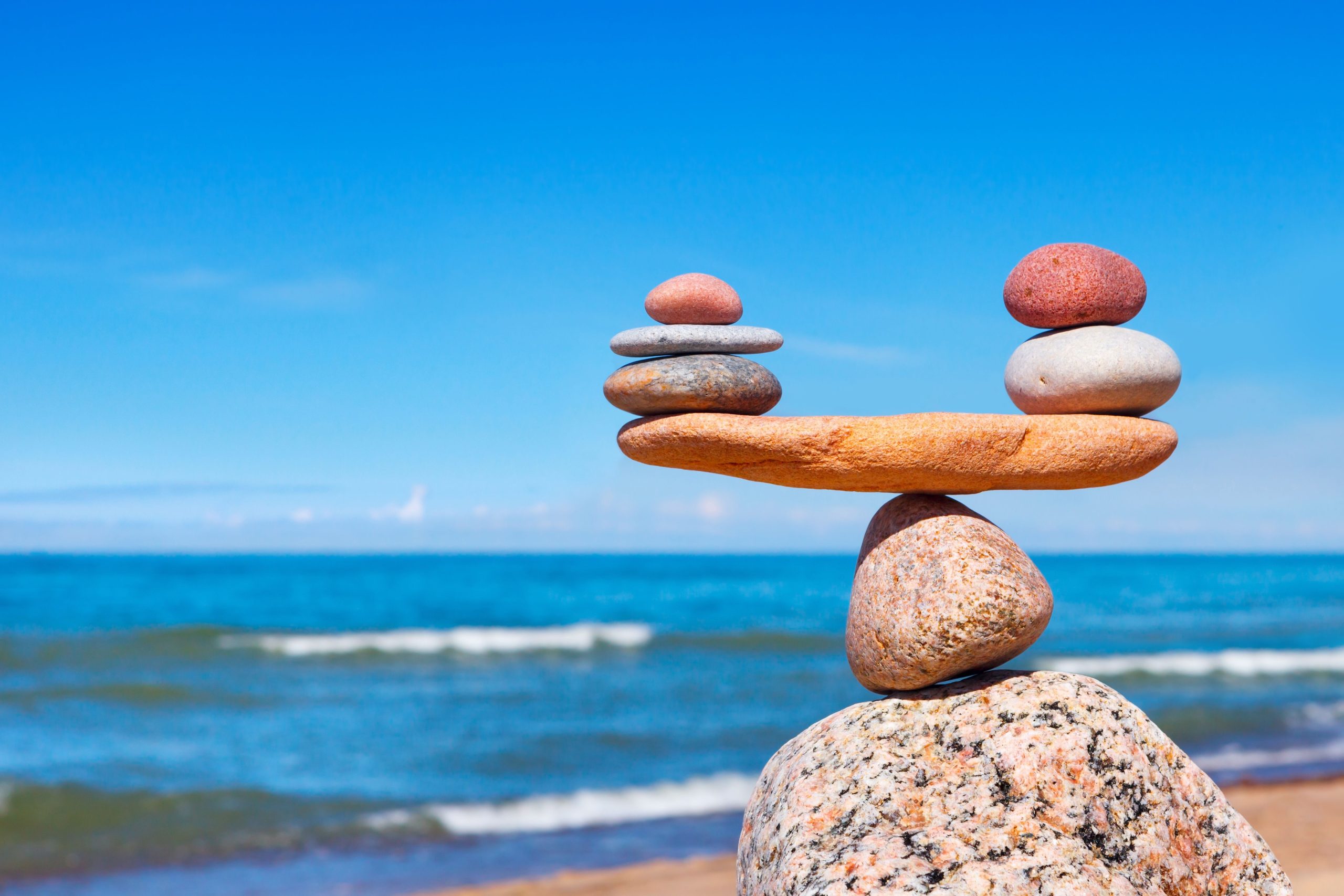
Finding Balance: The Hidden Foundation of Martial Arts
In every kick, block, strike, and stance, there is one quality quietly holding everything together: balance.
While strength and speed often get the spotlight, balance is the invisible force that lets martial artists move with precision, adapt under pressure, and generate real power. Whether you practice Karate, Kung Fu, Taekwondo, Jiu-Jitsu, Bagua Zhang, or any other discipline, balance is one of the most important skills you will ever develop.
⸻
Why Balance Matters
1. Stability Is the Root of Power
Strikes don’t begin with the fist or foot – they begin with the ground. Proper balance allows you to transfer energy from your stance through your core and into your technique.
A wobbling base bleeds power; a rooted base amplifies it.
2. Balance Improves Your Defense
When you’re centered, you’re harder to sweep, throw, or push off line. Good balance allows you to absorb force, redirect incoming attacks, and recover quickly.
A balanced fighter is a frustrating opponent – they’re simply hard to move.
3. Efficient Movement Conserves Energy
Poor balance leads to wasted motion.
Strong balance makes footwork smoother, transitions quicker, and techniques cleaner. In longer sparring sessions or real-life situations, this efficiency becomes a huge advantage.
4. Balance Supports Calm Under Pressure
Physical balance often reflects mental balance.
The more centered your body is, the easier it is to keep your mind steady. In high-stress moments, a balanced stance becomes an anchor that helps you stay focused and intentional.
⸻
Types of Balance in Martial Arts
Static Balance
The ability to maintain stability while holding a stance or posture.
Think of being in a horse stance, fighting stance, or even natural stance without swaying.
Dynamic Balance
Holding your center while moving, pivoting, transitioning between stances, or attacking and defending.
Dynamic balance is what allows a martial artist to kick high without falling or redirect force while evading.
Reactive Balance
Your ability to recover when an opponent applies force.
This is essential in grappling arts, where unpredictability is the norm.
⸻
How to Train Balance
1. Build Strong Stances
Practicing foundational stances – front stance, back stance, horse stance, and others – strengthens the legs and trains the body to root itself.
2. Slow Down Your Techniques
Performing forms, drills, or combinations in slow motion forces you to feel your center of gravity.
If you can stay balanced slowly, speed will come naturally.
3. Train Single-Leg Stability
Simple balance drills such as standing on one leg, performing slow kicks, or using balance boards can dramatically improve control.
4. Strengthen the Core
A strong core keeps your center aligned.
Planks, controlled twists, and stance transitions help maintain integrity through movement.
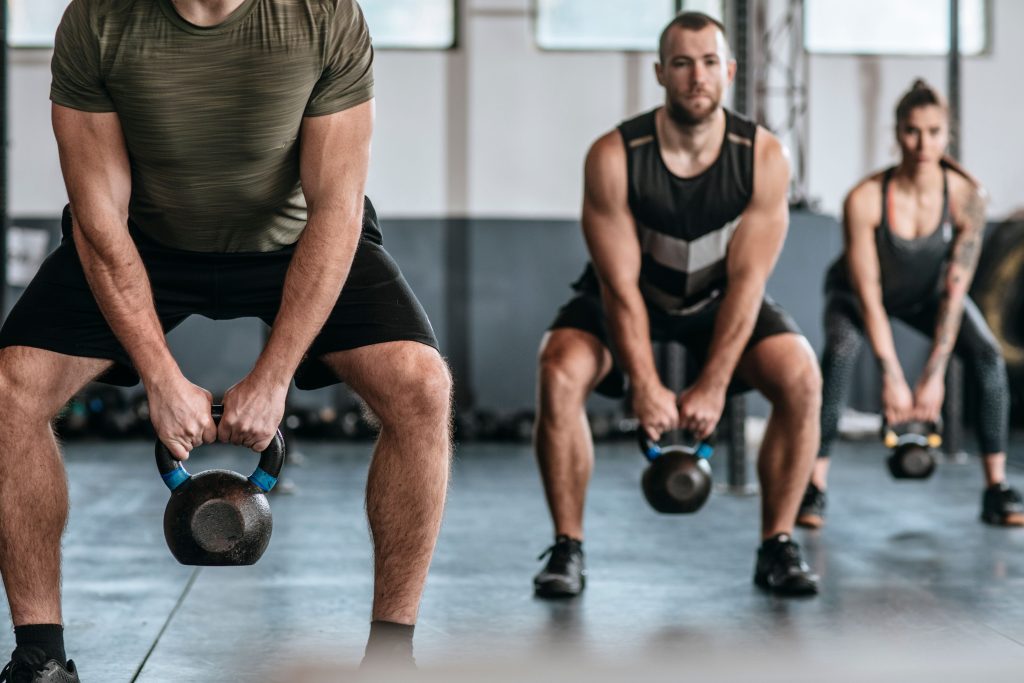
Add weight (e.g. hand weights, kettle bells, weight vests) to your practice movements to increase balance strength.
5. Use Breath to Anchor Movement
Breathing steadily adds internal stability.
Exhaling during exertion and relaxed breaths during transitions help unify body and mind.
⸻
Balance as a Mindset
Balance extends far beyond the physical.
Martial arts teaches harmony between aggression and restraint, strength and softness, action and stillness. A balanced martial artist knows when to advance, when to withdraw, and when to simply observe.
In training, balance means pacing yourself and avoiding burnout.
In life, it means staying centered in the face of challenges.
⸻
Final Thought
You can spend years perfecting techniques, but without balance they will always fall short. When you train balance – physically and mentally – you lay the foundation for every movement that follows. It’s not flashy, but it is essential.
