
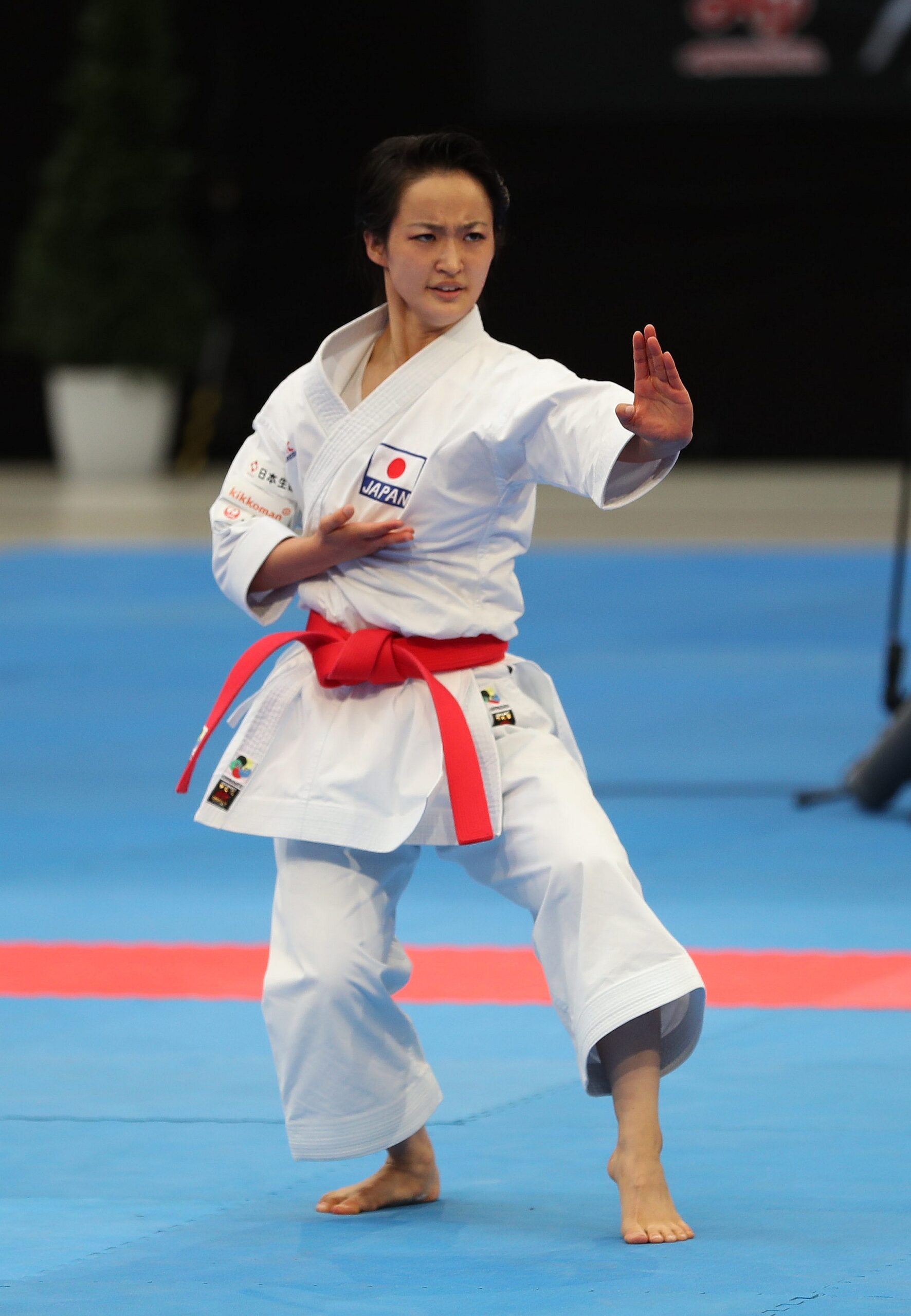
Karate, which translates to “empty hand” in Japanese, is one of the world’s most widely practiced martial arts – a discipline that emphasizes both physical mastery and personal development. Though often recognized for its sharp strikes and precise techniques, true karate is far more than just a system of fighting; it’s a lifelong journey toward self-improvement, discipline, and harmony between body and mind.
Origins and Philosophy
Karate originated on the island of Okinawa, where indigenous fighting methods blended with influences from Chinese martial arts. Over time, Okinawan masters refined these techniques into a distinct system focused on self-defense without the use of weapons – hence the term empty hand.
When karate spread to Japan in the early 20th century, it was shaped by the Japanese concept of budo (the martial way), which emphasized spiritual and ethical development alongside physical skill. Karate thus became not just a means of combat, but a way to cultivate character, respect, and inner strength.
Core Principles
At its heart, karate is guided by principles that reach beyond the dojo:
• Discipline: Every movement, stance, and breath in karate demands focus and self-control.
• Respect: Practitioners bow to one another and to their instructors as a sign of humility and gratitude.
• Perseverance: Progress in karate comes through repetition, patience, and an unwavering spirit.
• Balance: Both physically and mentally, karateka (karate practitioners) seek harmony – the ability to remain calm yet ready, strong yet flexible.
Training and Techniques
Karate training typically revolves around three pillars:
1. Kihon (Basics): The foundation – punches, kicks, blocks, and stances practiced repeatedly to build strength and precision.
2. Kata (Forms): Pre-arranged sequences of movements that simulate combat scenarios, teaching rhythm, flow, and focus.
3. Kumite (Sparring): Controlled combat with a partner, where timing, distance, and strategy are tested in real time.
Through these practices, karate develops coordination, speed, power, and awareness – attributes that extend beyond the dojo into everyday life.
More Than Self-Defense
While karate offers effective methods for protecting oneself, its true aim lies in self-mastery. As Gichin Funakoshi, the founder of Shotokan Karate, famously said:
“The ultimate aim of karate lies not in victory or defeat, but in the perfection of the character of its participants.”
That pursuit of personal growth – of becoming a more disciplined, confident, and compassionate individual – is what makes karate a lifelong art rather than a sport alone.
Conclusion
Karate remains one of the most respected martial arts in the world because it trains not just the body, but the mind and spirit as well. Whether practiced for self-defense, fitness, or personal growth, karate offers a path toward harmony – a way of living that begins on the dojo floor and continues in every moment of life.
Example
