
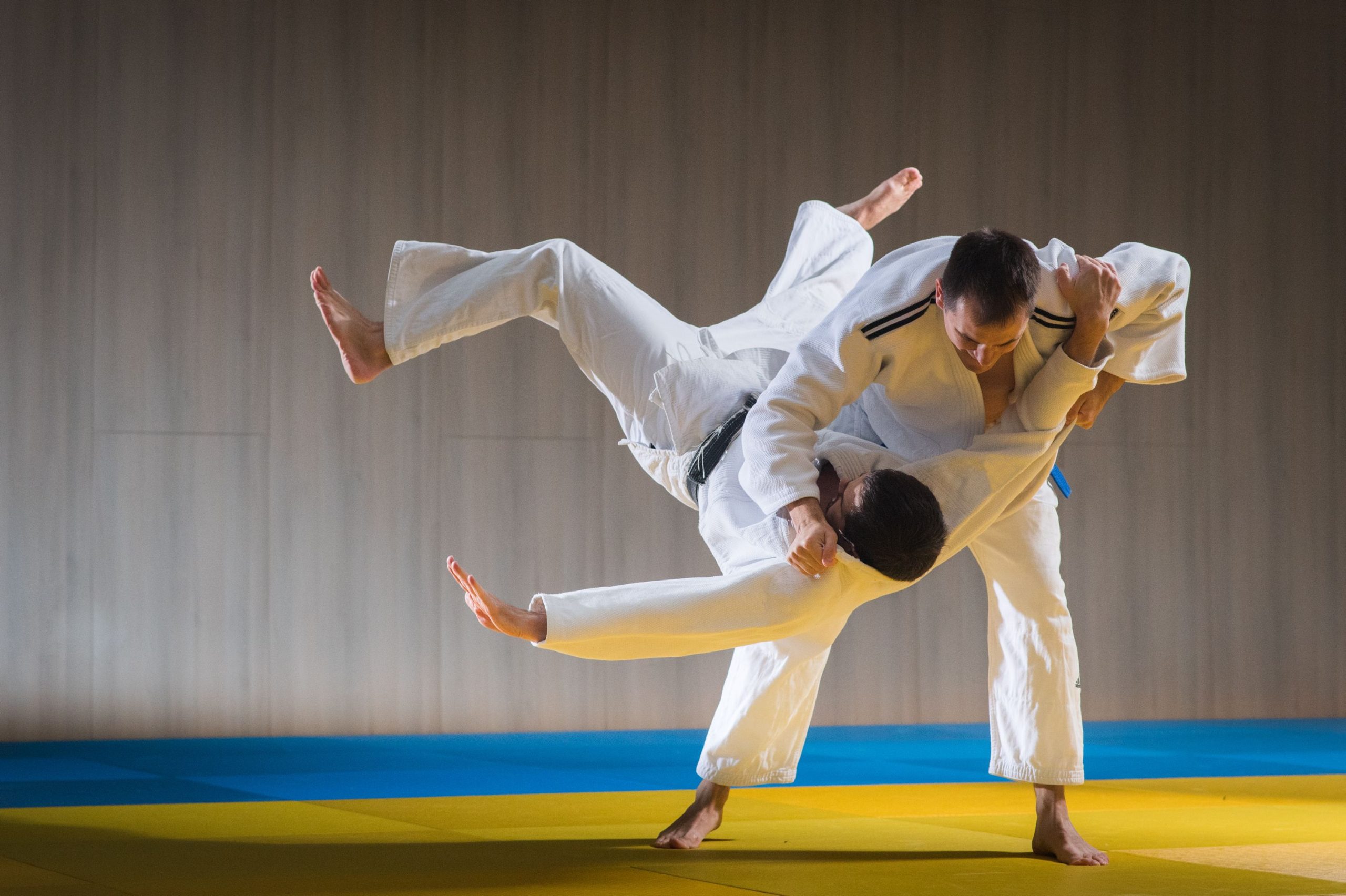
Japanese Jiu Jitsu (also spelled jujutsu) is one of the oldest and most influential martial arts in the world. Long before modern combat sports and contemporary self-defense systems, the samurai of feudal Japan relied on Jiu Jitsu techniques to survive on the battlefield when they were disarmed or forced into close quarters.
Today, Japanese Jiu Jitsu blends traditional principles with modern training methods, offering practitioners a complete system of self-defense built on flexibility, efficiency, and intelligent use of technique. In this post, we’ll explore what makes Japanese Jiu Jitsu unique, where it comes from, and why it remains so effective.
What Is Japanese Jiu Jitsu?
At its core, Jiu Jitsu (柔術) means “the art of flexibility” or “the gentle art.” The name reflects the system’s central idea:
Use the opponent’s force rather than relying on your own.
Instead of meeting strength with strength, Jiu Jitsu focuses on:
• Joint locks
• Throws
• Sweeps
• Pins
• Pressure points
• Strikes used to create openings
This combination makes it one of the most versatile martial arts ever developed.
Rooted in Samurai Tradition
Japanese Jiu Jitsu originated as a battlefield art. Samurai warriors needed methods to:
• Control or subdue armored opponents
• Fight when disarmed
• Defend against grabs, holds, and weapons
• Transition between standing combat and grappling
Techniques were designed to be efficient in chaotic, high-stakes situations. Many modern martial arts owe their foundation to these battlefield-era systems, including:
• Judo (founded by Jigoro Kano)
• Aikido (founded by Morihei Ueshiba)
• Brazilian Jiu-Jitsu, which evolved from judo’s ne-waza (ground techniques)
Learning Jiu Jitsu is like studying the root system of an entire martial arts family tree.
A Complete System of Self-Defense
One of the greatest strengths of Japanese Jiu Jitsu is its well-rounded curriculum. Training typically includes:
1. Throws and Takedowns
Borrowing principles later formalized in judo, Jiu Jitsu uses leverage and body positioning to off-balance and project an attacker to the ground.
2. Joint Locks and Control
Armbars, wristlocks, shoulder locks, and small-joint manipulation allow a defender to subdue or restrain an attacker with minimal force.
3. Grappling and Pins
Students learn how to control opponents on the ground using holds, immobilizations, and positional dominance.
4. Striking Techniques
While not a striking art at its core, Jiu Jitsu uses:
• Atemi (targeted strikes)
• Kicks
• Palm heels
• Elbows
These strikes create openings for throws or locks.
5. Defense Against Grabs and Holds
Practical self-defense scenarios – bear hugs, chokes, wrist grabs – are a core part of training.
6. Weapons Awareness
Some traditional Jiu Jitsu schools include defense against knives, sticks, or katana-based attacks, preserving the art’s classical roots.
The Philosophy Behind the Techniques
Japanese Jiu Jitsu is as much a mental discipline as a physical one. Students learn to:
• Stay calm under pressure
• Recognize openings and weaknesses
• Redirect energy rather than resist it
• Use efficiency, timing, and technique over brute force
The principle of ju (柔) – flexibility, softness, yielding – is the guiding thread through all techniques. It’s a philosophy that extends beyond combat, encouraging practitioners to approach challenges with adaptability rather than rigidity.
Why Train in Japanese Jiu Jitsu Today?
In a modern world filled with martial arts options, Japanese Jiu Jitsu remains relevant for several reasons:
Practical Self-Defense
It teaches effective responses to real-world situations like grabbing, tackling, and close-quarters encounters.
Versatility
Students develop a wide skill set – stand-up, grappling, striking, and weapon awareness.
Traditional Depth
The art connects practitioners to a lineage that spans centuries of warrior culture and disciplined training.
Personal Growth
Jiu Jitsu builds:
• Confidence
• Coordination
• Problem-solving skills
• Body awareness
• Discipline
A Foundation for Other Arts
Because Japanese Jiu Jitsu is so comprehensive, it blends seamlessly with judo, aikido, karate, and even Brazilian jiu-jitsu.
Final Thoughts
Japanese Jiu Jitsu is a martial art of balance – between softness and strength, tradition and practicality, technique and mindset. Whether you’re drawn to its history, its effectiveness, or its philosophy, Japanese Jiu Jitsu offers a path that challenges the body, sharpens the mind, and cultivates resilience.
If you’re looking for a martial art that provides depth, versatility, and real-world effectiveness, Japanese Jiu Jitsu is a powerful place to begin your journey.
Example.
