
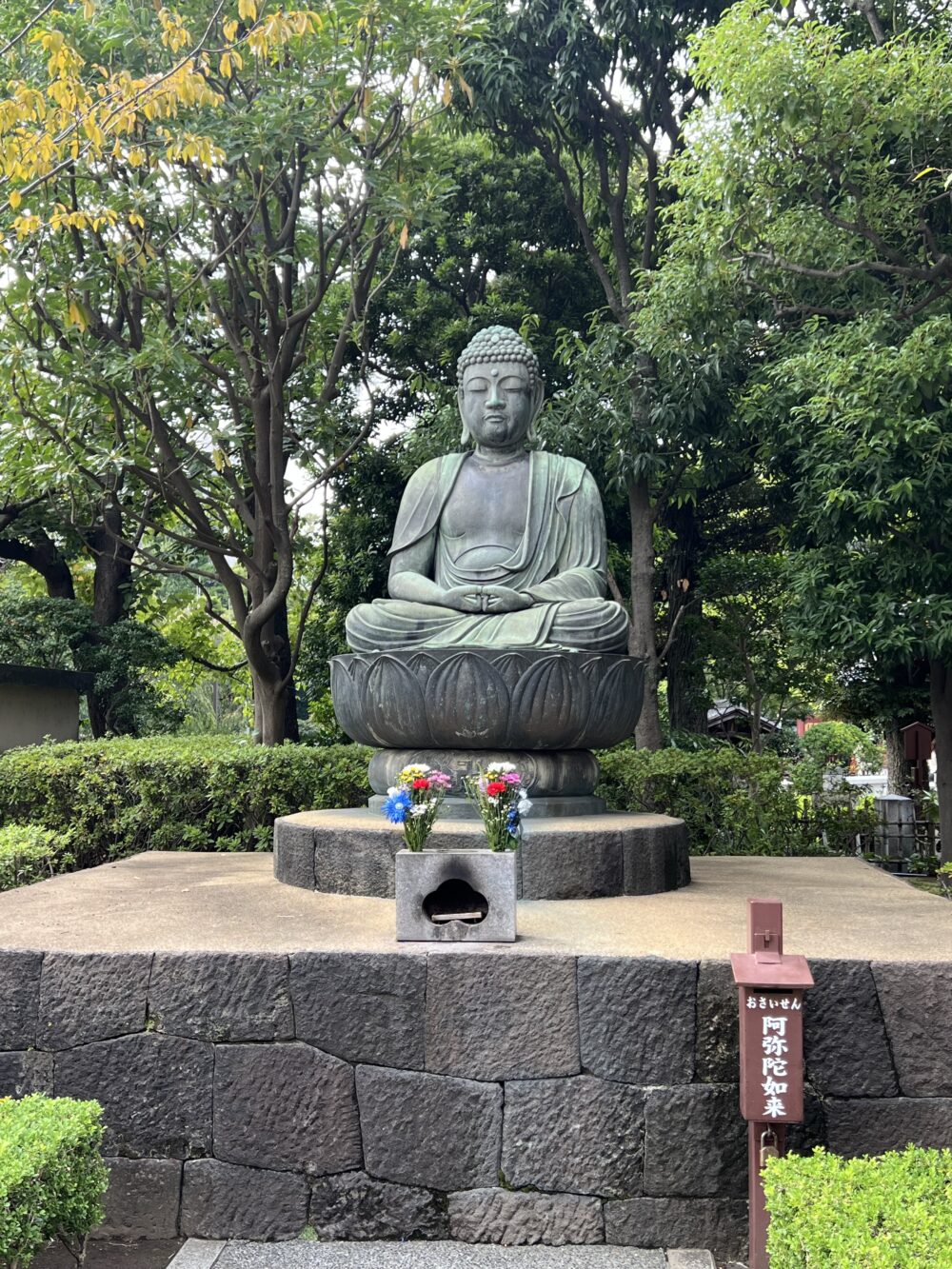
Perception in Martial Arts: Seeing Beyond the Surface
In every martial art – whether striking, grappling, or weapons-based – perception is one of the most underrated yet decisive skills a practitioner can develop. Techniques and strength matter, but the ability to perceive clearly – your surroundings, your opponent, your own body, and the flow of a moment – often determines the outcome long before a punch is thrown.
Perception is more than “seeing.” It is the integration of awareness, intuition, timing, and understanding. It is the martial artist’s gateway to deeper skill.
⸻
1. External Perception: Reading the World Around You
The first layer of perception is the most obvious: what you observe outside yourself.
Environmental Awareness
A martial artist learns to view the training floor – or any potential conflict space – as a dynamic environment. This includes:
• Distance and angles
• Obstacles and escape routes
• Multiple opponents
• Unexpected movement
This type of awareness prevents surprises and supports strategic choices. In self-defense, knowing where you are and what surrounds you is as important as knowing how to strike.
Reading Your Opponent
Perception sharpens as you start picking up subtle cues, such as:
• Shifts in weight
• Breath changes
• Tension before an attack
• Eye direction
• Intent
Advanced practitioners often speak of “pre-attack cues.” These are micro-expressions and tiny movements that forecast what is coming next. Developing the ability to recognize these signs allows you to intercept or counter before the attack fully manifests.
I think it was Miyamoto Musashi who said:
When my enemy is still, I am still. When my enemy moves, I move first.
⸻
2. Internal Perception: Knowing Your Own Body and Mind
External awareness is only half the picture. Perception also means tuning into your internal state.
Kinesthetic Awareness
This includes:
• Balance
• Alignment
• Tension vs. relaxation
• Joint positioning
• Breath patterns
High-level martial artists move with economy because they are deeply aware of how their bodies function moment to moment. This is why even simple drills – stance work, slow forms, controlled partner drills – are invaluable: they build precise internal perception.
Emotional and Psychological Awareness
Perception also means recognizing:
• Fear and how it affects movement
• Adrenaline and how it changes timing
• Ego and how it distorts decisions
• Overthinking vs. flowing
By perceiving your own state honestly, you can choose responses rather than being driven by impulse. Many internal martial arts—Tai Chi, Baguazhang, Aikido – place particular emphasis on this layer.
⸻
3. Tactical Perception: Seeing Possibilities and Timing
True perception allows you not just to react, but to anticipate.
Pattern Recognition
As experience grows, practitioners learn to recognize patterns:
• Common combinations
• Typical counters
• Predictable rhythms
• Openings that appear when opponents commit
This is where perception becomes tactical. You aren’t just seeing what is – you are seeing what will be.
Timing and “The Moment”
Good techniques delivered at the wrong moment fail. Perception trains your sense of timing:
• When to advance
• When to yield
• When to disrupt rhythm
• When to strike during transition
Many martial traditions speak of “stealing the moment”: acting at the exact instant an opponent shifts or commits. This is only possible through refined perception.
⸻
4. Perception as a Path to Flow
When perception becomes effortless, martial artists enter the state often described as flow—action without hesitation, thought without thinking. At this stage:
• Movements feel natural
• Decisions arise spontaneously
• Awareness expands
• The fight becomes almost slow-motion
Flow is not mystical; it is the natural outcome of training that unites external, internal, and tactical perception.
⸻
5. Cultivating Perception in Training
Perception can be trained deliberately through:
Slow Drills
Slow sparring, slow forms, and controlled partner work teach subtlety and awareness.
Sensitivity Exercises
Push hands, chi sao, clinch work, and grappling drills train tactile perception and intuitive timing.
Breath Work
Breathing practices stabilize the mind and clarify internal perception.
Scenario Training
Variable drills and environmental challenges develop real-world situational awareness.
Mindfulness & Reflection
Post-training reflection sharpens recognition of personal habits and blind spots.
⸻
Conclusion: The Art of Seeing
Perception is the essence behind technique. It transforms the martial artist from someone who merely performs movements into someone who understands timing, energy, intent, and environment. In the dojo and in life, perception allows us to respond with clarity rather than react with fear.
Martial arts begins with learning how to move – but they mature into learning how to perceive.
