
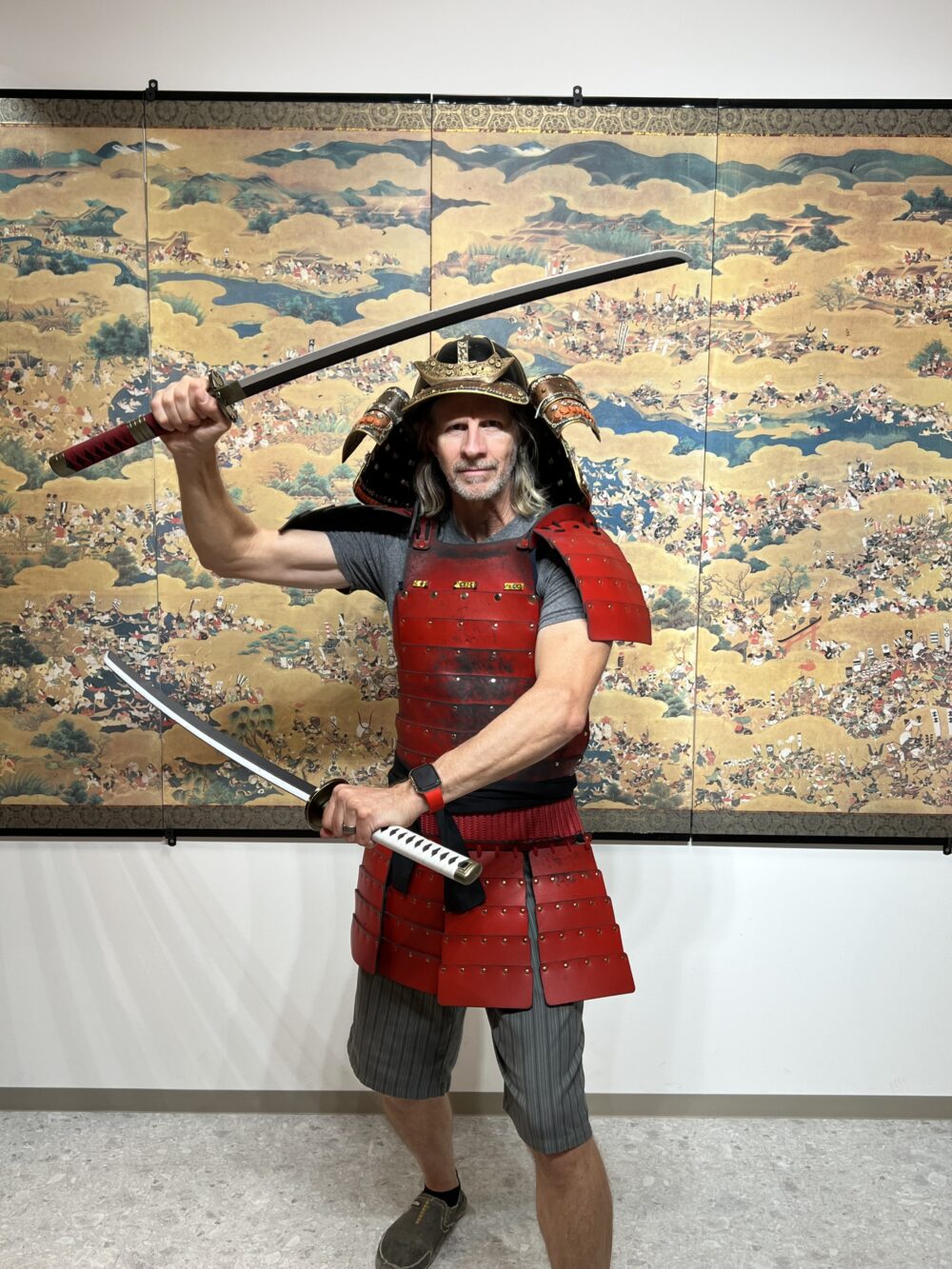
The Samurai Sword: Precision, Spirit, and the Legacy of the Katana
The samurai sword, most famously the katana, is one of the most respected and iconic weapons in martial arts history. Known for its elegant curve, razor-sharp edge, and deep cultural symbolism, the katana represents far more than a tool for battle—it is a symbol of discipline, honor, and the refined craftsmanship of Japan’s warrior tradition.
For martial artists today, training with the samurai sword offers a pathway to improved focus, technical mastery, and a deeper understanding of movement and intention.

A Legacy Forged in Steel
The katana emerged during Japan’s feudal era as the primary sidearm of the samurai class. Its development reflected both practical battlefield needs and the philosophical ideals of Bushidō – the samurai code emphasizing loyalty, courage, and self-discipline.
Crafted through a meticulous process of folding and tempering steel, the katana became renowned for its cutting ability, durability, and balance. Its elegant design allowed for smooth drawing, swift cutting, and seamless transitions – qualities that define sword-based martial arts to this day.
Modern martial artists encounter the katana through disciplines such as:
• Kenjutsu – classical samurai sword techniques
• Iaido – the art of drawing and cutting in a single motion
• Kendo – a modern sport emphasizing timing and spirit
• Battōjutsu – practical cutting techniques
• Aikiken – sword principles within Aikido practice
Why Train With a Samurai Sword?
1. Precision and Technical Refinement
Sword training demands flawless structure – posture, grip, footwork, and timing must align perfectly. Even slight errors disrupt a cut. Over time, practitioners develop exceptional body awareness and attention to detail.
2. Mental Focus and Discipline
Training with the katana cultivates a calm, centered mindset. Practitioners learn to control their breathing, sharpen their concentration, and move with deliberate intention – skills that transfer to any martial art.
3. Flow, Rhythm, and Timing
Sword forms require smooth, continuous movement. Whether practicing iaido kata or kenjutsu drills, students develop a strong sense of rhythm and the ability to transition seamlessly between offensive and defensive actions.
4. Strengthening Core Movement Patterns
Sword practice engages the entire body:
• Hips generate power
• Feet guide direction
• Shoulders stay relaxed
• The core stabilizes every motion
These fundamentals enhance empty-hand striking, grappling, and overall martial performance.
5. Connection to Tradition and Philosophy
For many practitioners, the samurai sword represents a deeper journey – understanding history, respecting craftsmanship, and embodying the values that guided the warriors who once trained with these blades.

Essential Techniques in Samurai Sword Training
1. Gripping and Posture
A proper two-handed grip is foundational: relaxed but firm, allowing quick directional changes. Upright posture ensures balance and efficient power.
2. Drawing and Sheathing (Nukitsuke & Nōtō)
In iaido, the draw is not just preparation – it is the first technique. Practitioners learn to cut the moment the sword leaves the saya (scabbard), then re-sheathe with smooth, controlled motion.
3. Cutting (Kiri)
Common cuts include:
• Vertical downward cuts
• Diagonal cuts
• Horizontal cuts
• Rising cuts
Proper cuts require blade alignment (hasuji), hip rotation, and relaxed shoulders.
4. Footwork (Ashi Sabaki)
Samurai sword footwork emphasizes:
• Smooth sliding steps
• Stable stances
• Sharp directional changes
Control of distance (ma-ai) is a defining skill in sword arts.
5. Kata and Paired Drills
Kata train precision, strategy, and timing, while paired kenjutsu drills develop reactive skills and practical application.
Training Safely
Because real katana are sharp and dangerous, beginners typically start with:
• Bokken (wooden training swords)
• Iaitō (unsharpened alloy swords for forms)
Safety tips for new practitioners:
• Practice in a spacious area
• Begin slowly to build control
• Check equipment regularly
• Follow traditional etiquette and respect the weapon
• Train under a qualified instructor when possible
Safety and mindfulness are essential in sword training.
Why the Samurai Sword Still Matters Today
The katana continues to inspire martial artists worldwide because it bridges the physical and the philosophical. Sword practice:
• Sharpens technique
• Strengthens focus
• Deepens discipline
• Connects practitioners to a rich cultural legacy
In a modern training environment, the samurai sword remains a profound tool for exploring precision, presence, and mastery.
For those seeking to elevate their martial arts journey, studying the katana offers both challenge and reward – a path that develops the body, sharpens the mind, and honors a timeless warrior tradition.
