
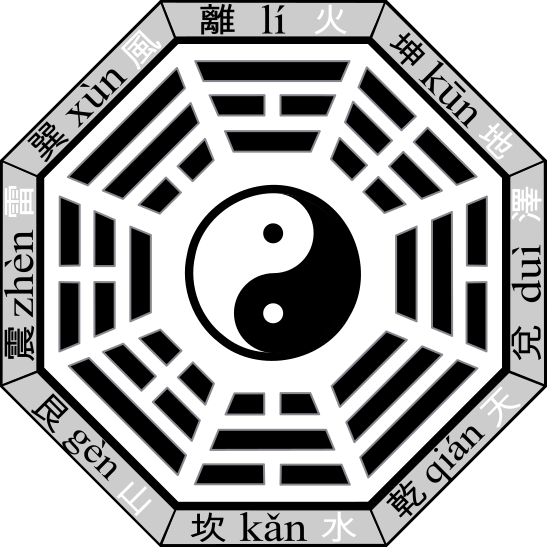
Baguazhang: The Art of Endless Circles
Baguazhang (八卦掌), often translated as Eight Trigrams Palm, is one of the major internal martial arts of China, alongside Tai Chi and Xing Yi. Known for its circular footwork, fluid body mechanics, and adaptable fighting strategy, Baguazhang stands out as both a highly practical combat system and a deeply philosophical art rooted in Daoist principles.
Whether you’re a traditional martial artist, a modern practitioner seeking functional movement, or simply curious about internal styles, Baguazhang offers something unique.
⸻
Origins Rooted in Daoism
Baguazhang is most commonly associated with Dong Haichuan, a 19th-century master who combined his existing martial skill with Daoist circle-walking meditation. This practice centered around moving continuously around the perimeter of a circle – an idea representing the ever-changing nature of the universe as described in the I Ching (Book of Changes).
Over time, Dong synthesized these ideas into a complete martial system built on:
• Constant motion
• Redirection of force
• Fluid adaptability
• Whole-body power
Today, Baguazhang remains true to these roots while evolving into multiple lineages, each emphasizing slightly different strategies and techniques.
⸻
The Power of Circular Movement
At the heart of Baguazhang is circle walking, a training technique where the practitioner steps smoothly around a circle while maintaining a specific palm posture. This seemingly simple exercise develops several attributes that define the art:
1. Mobility and Evasion
Baguazhang fighters are known for their ability to change angles instantly, slip around opponents, and attack from unexpected positions. Rather than meeting force head-on, they flow around it.
2. Spiral and Coiling Energy
Instead of linear strikes, Baguazhang uses spirals, twists, and wraps. This generates surprising power while allowing the practitioner to control, off-balance, or trap an opponent.
3. Whole-Body Integration
The art emphasizes unity of the hands, waist, feet, and intention. Over time, movements become both graceful and devastating.
4. Adaptability
Because circle walking trains constant change, Baguazhang excels at dealing with multiple attackers, unpredictable motion, and chaotic situations.
⸻
Signature Techniques and Strategies
While each lineage has its own flavor, most Baguazhang systems share core elements:
Palm Striking
Baguazhang’s trademark is the open-hand palm strike – delivered with whipping power generated from the waist.
Changing Palms
These are transitional movements that shift the practitioner’s direction, angle, and intention. They teach how to transition seamlessly in combat.
Coiling and Wrapping
Techniques often involve hooking, trapping, or redirecting limbs using circular paths.
Low Sweeps and High Whips
The art blends agile footwork with long-reaching whip-like strikes, creating a style that is simultaneously evasive and explosive.
⸻
Why Train Baguazhang Today?
Even outside of traditional practice, Baguazhang delivers tangible benefits:
✔ Improved balance and coordination
Circle walking is excellent for developing a stable yet mobile base.
✔ Practical self-defense skills
Its emphasis on movement, angle changes, and redirection adapts well to real-life situations.
✔ Holistic internal training
Breathing, relaxation, and awareness are foundational, helping reduce stress and build internal energy.
✔ Functional strength and mobility
The spiraling motions develop tendons and connective tissue while keeping joints healthy.
✔ A unique martial flavor
Baguazhang feels different from almost any other martial art – a blend of elegance, strategy, and raw effectiveness.
⸻
Final Thoughts
Baguazhang isn’t just about walking in circles – it’s about navigating conflict, energy, and life with fluidity and adaptability. For martial artists looking to expand their skill set, explore internal power, or deepen their understanding of movement, Baguazhang is a powerful path.
If you’re building a well-rounded martial arts practice, Baguazhang offers tools that complement both hard and soft styles, bridging the gap between internal philosophy and real-world technique.
