
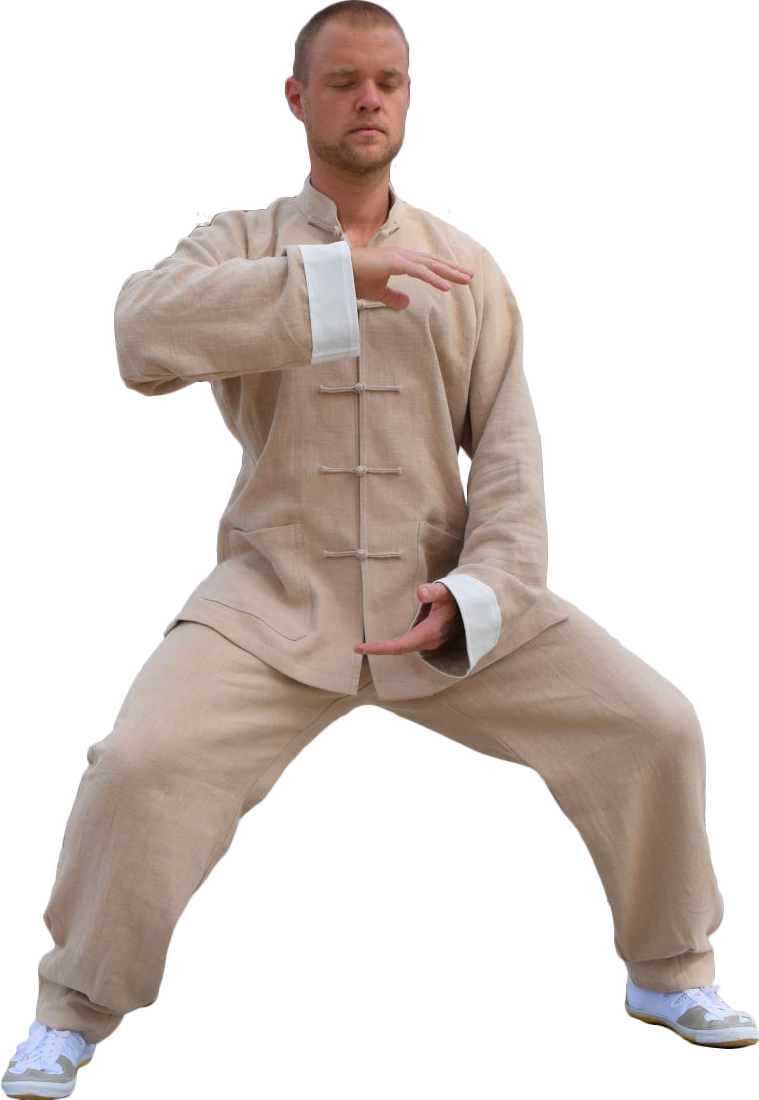
Tai Chi (Taiji or Taijiquan) is often recognized for its slow, graceful movements and meditative quality – but beneath the calm exterior lies one of the world’s most sophisticated internal martial arts. Rooted in centuries of Chinese tradition, Tai Chi blends self-defense, health cultivation, mindfulness, and philosophy into a practice that strengthens the body while quieting the mind.
Whether you’re drawn to martial arts, stress relief, or holistic fitness, Tai Chi offers a path that is gentle enough for anyone yet deep enough for a lifetime of study.
Tai Chi also possesses the ability to generate speed and power that can be highly effective in self-defense situations. Its emphasis on internal, precise timing, and efficient movement allows practitioners to deliver very impactful techniques with minimal effort.
Skilled Tai Chi practitioners have shown their ability to counter attacks from opponents through controlled strikes, joint locks, and redirection of force. The art’s principles of yielding and redirection can be harnessed to not only neutralize aggression effectively, but also to return the energy and then some to their attacker, making it a versatile system that extends beyond gentle exercise.
This dual nature underscores the importance of understanding Tai Chi not only as a path to wellness but also as a serious martial discipline capable of lethal application when necessary.
What Is Tai Chi?
Tai Chi (太极拳) translates to “Supreme Ultimate Boxing,” reflecting its goal of integrating opposites – such as hard and soft, fast and slow, action and stillness – into a unified whole.
When one part moves, no part remains still.
Though often practiced today for health and longevity, Tai Chi was developed as a complete martial art, emphasizing:
• Internal power (nei jin)
• Conscious breathing
• Relaxation under pressure
• Efficient whole-body movement
• Awareness and sensitivity
To practice Tai Chi is to explore balance – not just physically, but mentally and emotionally as well.
A Brief Look at Tai Chi’s History
Tai Chi’s origins are intertwined with:
• Traditional Chinese martial arts
• Daoist principles
• The pursuit of longevity and harmony
The Chen family is widely considered the oldest verifiable lineage, with Yang, Wu, Hao, and Sun styles developing later. Each lineage maintains the same core principles while expressing the art differently – faster spirals in Chen, expansive softness in Yang, compact movements in Wu, and blended footwork in Sun.
Why the Movements Are Slow
The slow pace of Tai Chi isn’t just for aesthetics – it serves important training purposes:
• Allows precise alignment and posture
• Builds leg strength through controlled transitions
• Cultivates internal awareness
• Teaches relaxation in motion
• Trains breathing and timing
• Develops the ability to generate force without tension
Many forms have faster, explosive components (fa jin) as well, demonstrating Tai Chi’s martial roots.
A Complete Martial System
While Tai Chi is often associated with meditation, it is fundamentally a martial art based on yielding, redirection, and internal power.
Key Martial Components Include:
1. Push Hands (Tui Shou)
Partner drills that develop sensitivity, timing, balance, and the ability to neutralize force.
2. Applications (San Shou)
Practical interpretations of movements in the form, used for:
• Joint locks
• Sweeps
• Throws
• Redirection
• Striking
3. Silk-Reeling Energy (Chan Si Jin)
Spiraling movement patterns that generate power from the ground through coordinated, relaxed motion.
4. Weapons Training
Advanced students may practice the:
• Straight sword (jian)
• Broadsword (dao)
• Spear
• Staff
Each weapon reinforces Tai Chi’s internal principles.
Health Benefits of Tai Chi
One of the reasons Tai Chi is so widely practiced is its remarkable impact on health. Training helps you improve:
Physical Health
• Balance and stability
• Joint mobility
• Core strength
• Cardiovascular efficiency
• Flexibility
• Coordination
Mental Well-Being
• Reduced stress and anxiety
• Improved focus and clarity
• Calmness and emotional resilience
Long-Term Vitality
Tai Chi supports healthy aging, making it popular among seniors, yet its depth continues to challenge lifelong martial artists.
Tai Chi Philosophy: Harmonizing Opposites
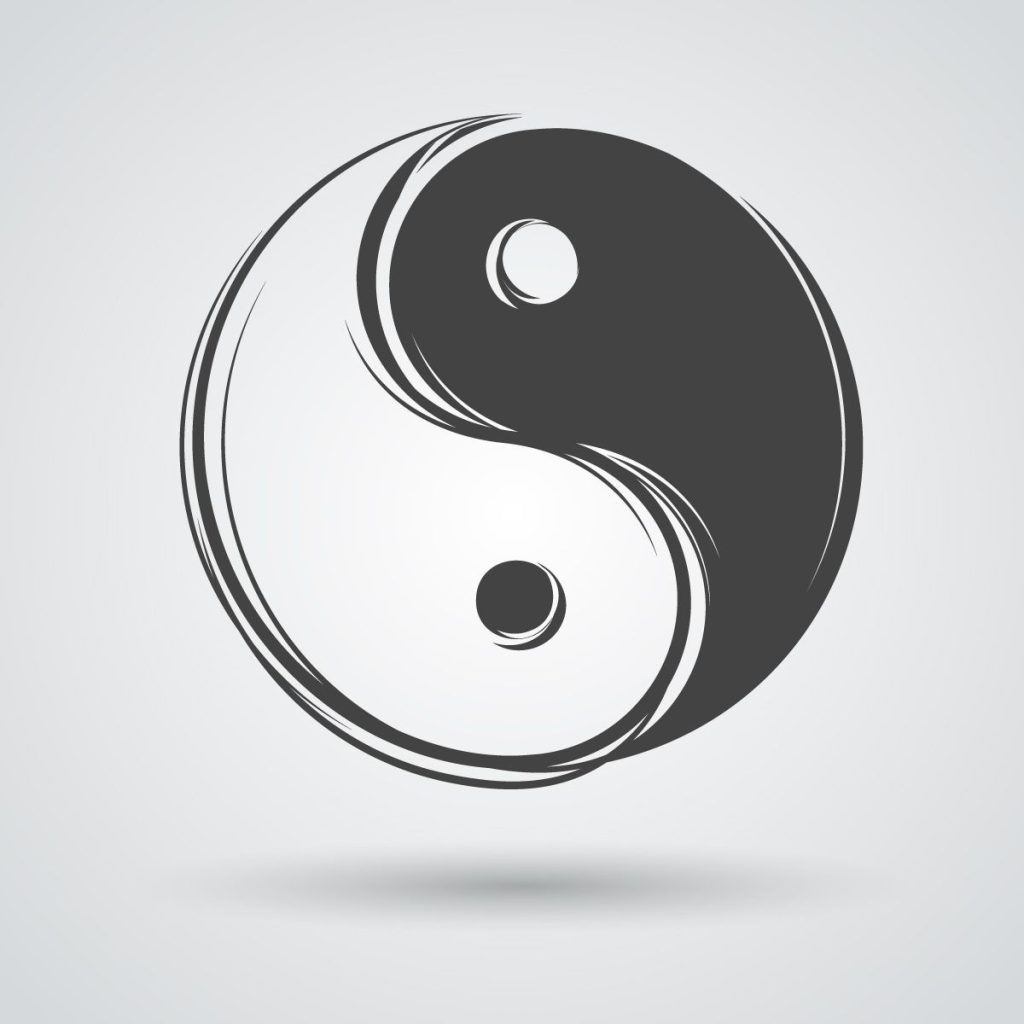
Tai Chi embodies Yin and Yang – the interplay between soft and strong, yielding and issuing, stillness and motion.
Students learn to:
• Relax without collapsing
• Move with intent and yet without tension
• Respond with strategy rather than reaction
• Generate power from alignment, breath, and timing
These principles form the heart of Tai Chi’s martial and meditative practices.
Why Practice Tai Chi?
In a fast-paced world filled with stress, distraction, and physical imbalance, Tai Chi offers a rare opportunity: a practice that cultivates strength without strain, presence without pressure, and harmony without passivity.
Whether you train for:
• Health
• Meditation
• Martial skill
• Stress relief
• Longevity
…Tai Chi provides a holistic path that grows with you over time.
Final Thoughts
Tai Chi is far more than “slow movement” – it’s a profound art that integrates body, mind, and spirit. With roots deep in Chinese philosophy and martial tradition, Tai Chi is one of the most accessible yet endlessly rich arts available today.
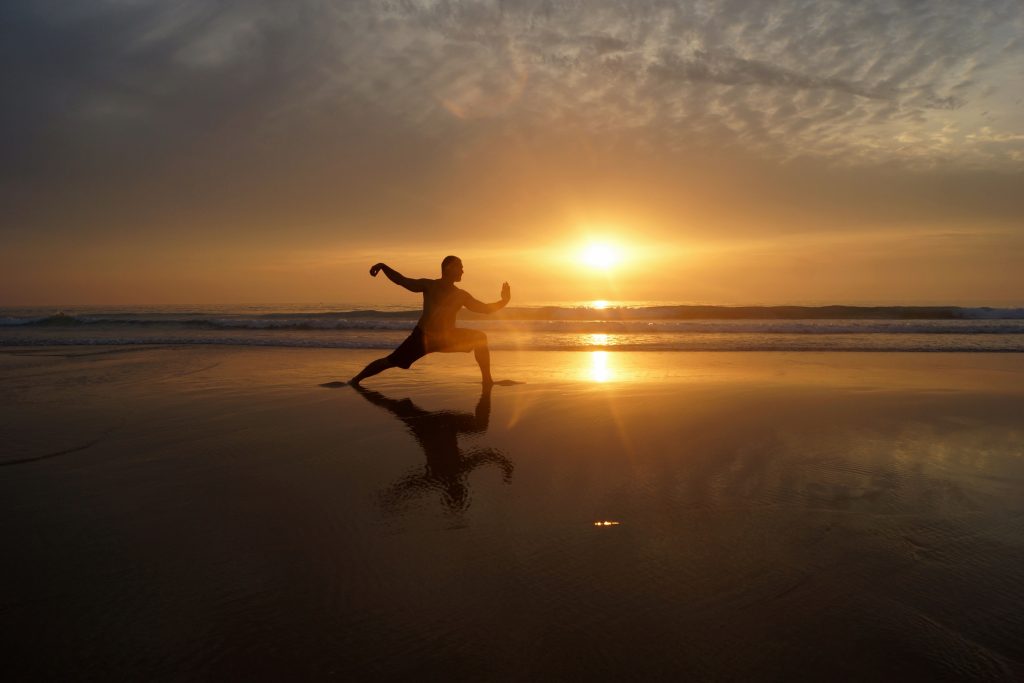
Here are a couple examples of tai chi in practice.
