
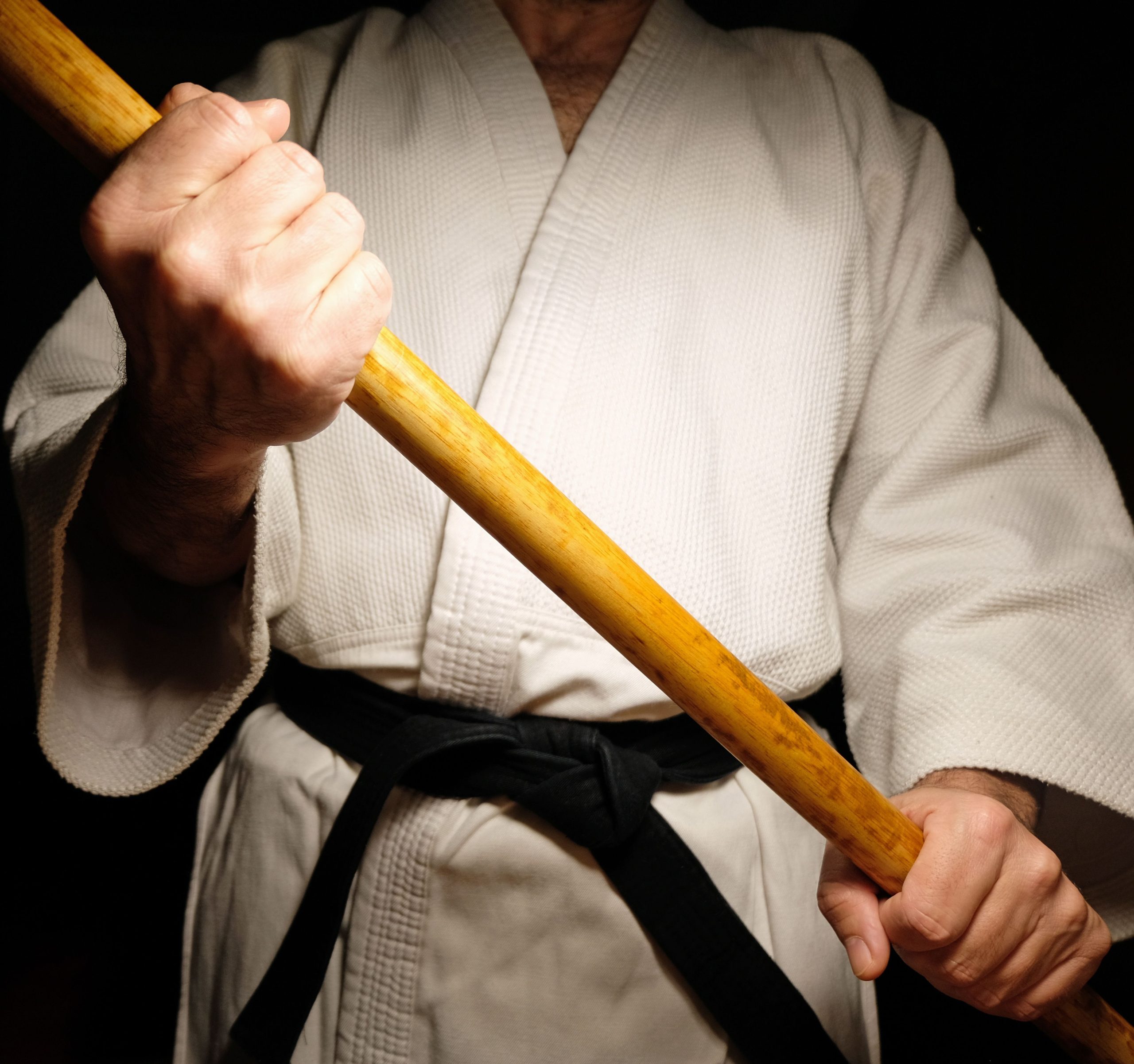
The Bo Staff: Timeless Weapon, Modern Training Tool
The bo staff is one of the oldest and most versatile weapons in the martial arts world. Though its origins stretch back centuries, its value in modern training remains as strong as ever. Whether you study karate, kobudo, taekwondo, or mixed martial arts systems that incorporate traditional weapons, the bo offers a unique blend of conditioning, coordination, and combative insight.
⸻
A Brief History of the Bo
The bo staff – typically around 6 feet (1.8 meters) long – emerged in Okinawan kobudo as both a practical tool and a defensive weapon. Farmers and villagers originally used simple wooden poles for tasks like carrying buckets or hauling goods. Over time, these everyday objects were repurposed into effective implements for self-defense, especially during eras when conventional weapons were restricted.
Today, the bo remains a staple in traditional martial arts weapon curricula, but it’s also seeing renewed interest among modern practitioners looking for functional strength training and fluid movement drills.
⸻
Why Train with a Bo Staff?
1. Full-Body Conditioning
Training with a bo staff strengthens the shoulders, back, arms, and core. Because the weapon is long, light, and constantly in motion, it develops endurance and stability without overloading the joints.
2. Coordination and Flow
Bo work demands precise timing, hand placement, and footwork. As you switch grips, slide your hands, or rotate the staff through strikes and blocks, your body learns rhythm and fluidity – skills that transfer directly into empty-hand techniques.
3. Range Awareness
Unlike shorter weapons, the bo emphasizes long-range strategy. Practitioners become more conscious of distance, angles, and spatial control. This improved awareness enhances sparring, self-defense movement, and overall tactical understanding.
4. Mental Focus
Bo training requires mindfulness. The weapon quickly reveals tense muscles, sloppy stances, or poor balance. As you refine each movement, your concentration sharpens – making bo practice a powerful tool for developing focus and discipline.
⸻
Key Techniques and Concepts
Strikes (Uchi)
Common strikes include overhead strikes, diagonal cuts, horizontal sweeps, and thrusts. The bo is not only swung but also stabbed, taking advantage of its reach.
Blocks (Uke)
Bo blocks use both ends of the staff, creating strong defensive frameworks. Practitioners learn to redirect rather than just absorb force.
Transitions
Hand slides, spins, and grip changes are essential. These transitions transform the bo from a simple pole into a dynamic weapon capable of fluid offense and defense.
Stances and Footwork
Traditional stances such as zenkutsu-dachi (front stance) or kiba-dachi (horse stance) provide stability, but modern practice may incorporate more mobile, athletic footwork for versatility.
⸻
Training Safely
If you’re new to bo staff training:
• Start with a light rattan or hardwood bo to prevent injury.
• Practice in a large open space – length and momentum demand room.
• Warm up wrists, shoulders, and back thoroughly.
• Focus first on control, not speed.
As you progress, you can explore heavier hardwood staffs, performance-grade tapered bos, or padded variants for drills and partner exercises.
⸻
The Bo in Modern Martial Arts
From traditional kata to flow drills and freestyle demonstrations, the bo remains an iconic symbol of martial arts heritage. It offers both practical physical training and a deep connection to historical martial culture. For many practitioners, the bo becomes more than just a weapon – it becomes a way to explore movement, precision, and personal discipline.
Whether you are a seasoned martial artist or just beginning your journey, the bo staff is a powerful tool that can elevate your training and deepen your understanding of martial movement.
