
When people hear the words kung fu, they often imagine high-flying movie scenes, graceful acrobatics, and lightning-fast strikes. But behind the cinematic flair lies one of the world’s oldest, deepest, and most diverse martial traditions. Kung fu is not just a fighting system – it’s a living philosophy, a cultural treasure, and a lifelong path of self-development.
In this post, we’ll explore what kung fu truly is, where it came from, and why it remains so influential today.
What “Kung Fu” Really Means
In Western culture, kung fu is usually used to refer to Chinese martial arts. But the term itself—功夫 (gōngfu) -actually means skill achieved through hard work. By that definition, anyone who masters a craft through dedicated practice has kung fu, whether they are a martial artist, a musician, or a chef.
In a martial context, though, kung fu refers to a vast family of Chinese fighting systems developed over thousands of years.
A Rich Tapestry of Styles
Kung fu is not a single style – it’s an umbrella term covering hundreds of systems, each with its own techniques, philosophies, and training methods. They generally fall into two broad categories:
1. External (Hard) Styles
These emphasize:
• Muscular strength
• Powerful strikes
• Conditioning drills
• Linear or explosive movements
Examples include:
• Hung Gar
• Choy Li Fut
• Northern Shaolin
2. Internal (Soft) Styles
These cultivate:
• Relaxation and fluidity
• Breathing and energy flow (qi)
• Structure and alignment
• Sensitivity and redirection
Examples include:
• Tai Chi Chuan
• Bagua Zhang
• Xing Yi Quan
Most kung fu training blends both hard and soft elements – the external builds the body, while the internal builds the mind and the subtle mechanics of power.
Origins Rooted in History and Philosophy
Kung fu’s origins stretch back thousands of years, shaped by:
• Ancient battlefield combat
• Daoist and Buddhist philosophy
• Monastic traditions, especially the famed Shaolin Temple
• Folk fighting methods passed through families and villages
This blend of martial and philosophical development gave kung fu a unique identity: it is a system for survival, but also a path toward personal excellence.
Training the Kung Fu Way
Kung fu training varies widely between schools, but core elements usually include:
Forms (Taolu)
Pre-arranged sequences that teach:
• Techniques
• Posture
• Rhythm
• Coordination
• Power mechanics
Forms are the “encyclopedia” of a style.
Conditioning
From stance training to body hardening, kung fu uses progressive conditioning to develop strength and resilience.
Partner Drills and Sparring
Sensitivity exercises (like sticky hands) and controlled sparring help practitioners apply techniques under pressure.
Weapons
Kung fu has one of the richest weapon traditions in the world, including:
• Staff
• Broadsword
• Straight sword
• Spear
• Double weapons
These tools develop dexterity, timing, and whole-body coordination.
Kung Fu as a Path of Self-Discovery
Beyond its physical techniques, kung fu teaches values that extend far beyond the training hall:
• Patience
• Respect
• Discipline
• Calm under pressure
• Awareness of body and mind
Students quickly discover that kung fu’s lessons apply to everything – work, relationships, and personal challenges.
Why Kung Fu Still Matters Today
In an age of speed and technology, kung fu offers something rare:
a practice that strengthens the body, sharpens the mind, and enriches the spirit.
Its blend of philosophy, artistry, and practical self-defense continues to inspire millions around the world. Whether you’re interested in fitness, culture, meditation, combat skills, or simply a meaningful lifelong pursuit, kung fu offers a path worth exploring.
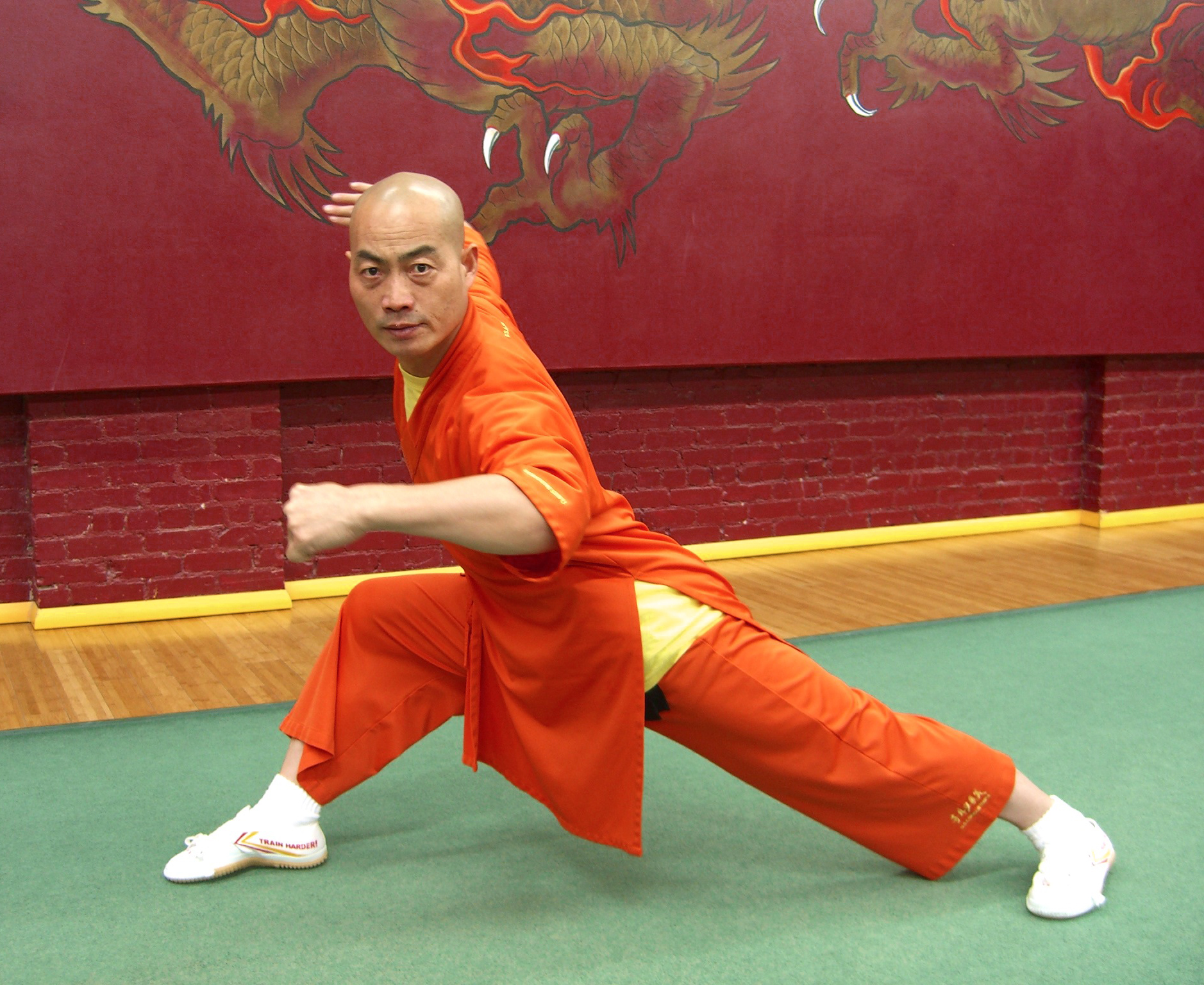
Here is an example of some of the movements.
